On May 21st the Executive Editor of Anime News Network, Zac Bertschy, suddenly passed away. We were mutuals on twitter and facebook for over ten years and spoke every so often. I met him only twice at Anime conventions. Both times he was extremely kind but extremely busy. But with his sudden passing I can’t help but think about the small but impactful ways Zac made a major impact on my life.
I launched my Anime Blog in 2010 as a project to help me improve my writing and I included the companion podcast in order to force myself to learn audio production. The first episode of that Podcast was a disaster, I was so nervous and I could barely listen back to it. I released it, and then couldn’t bring myself to do another one. Zac used to host call in episodes of ANNCast and I got to record a small call with him in February 2010, six weeks or more since that first and only episode of my podcast launched. After our conversation I plugged my blog and Zac paused and asked why I wasn’t still doing the Podcast.
That week I started the podcast again. I’ve recorded 197 Episodes of the Otaku in Review Podcast. It was because Zac took interest in me and my work. It was because he was thoughtful enough to ask about it. Every now and again he would make a comment about something we said on the podcast. He told me several times that he thought we did a great job on it. He even invited us back on ANN Cast as podcasters during a later call in show. But we weren’t just fans calling in, we were invited to discuss a specific topic. Editor of THE anime website gave some hobbyist podcasters an opportunity to amplify our voices and grow our audience.
I’ll never forget any of that kindness.
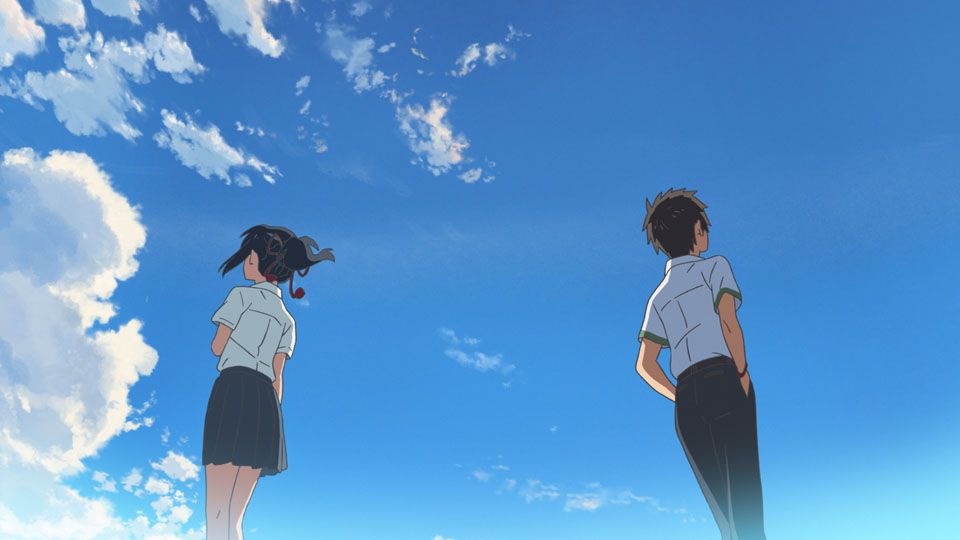
The podcast gave me the confidence and opportunity to start doing panels at Anime Conventions. It gave me the clout to get press at anime conventions and interview Japanese creators. Because of Zac Bertschy’s moment of interest I was able to sit down and have a conversation with Makoto Shinkai, among others.
Reading everyone’s stories tells me one thing: He did this for nearly everyone he came in contact with. Professional writers or hobbyist bloggers, he gave them a platform and encouraged their voice. I wish I had thought to tell him the impact he had on my life when he was still with us.

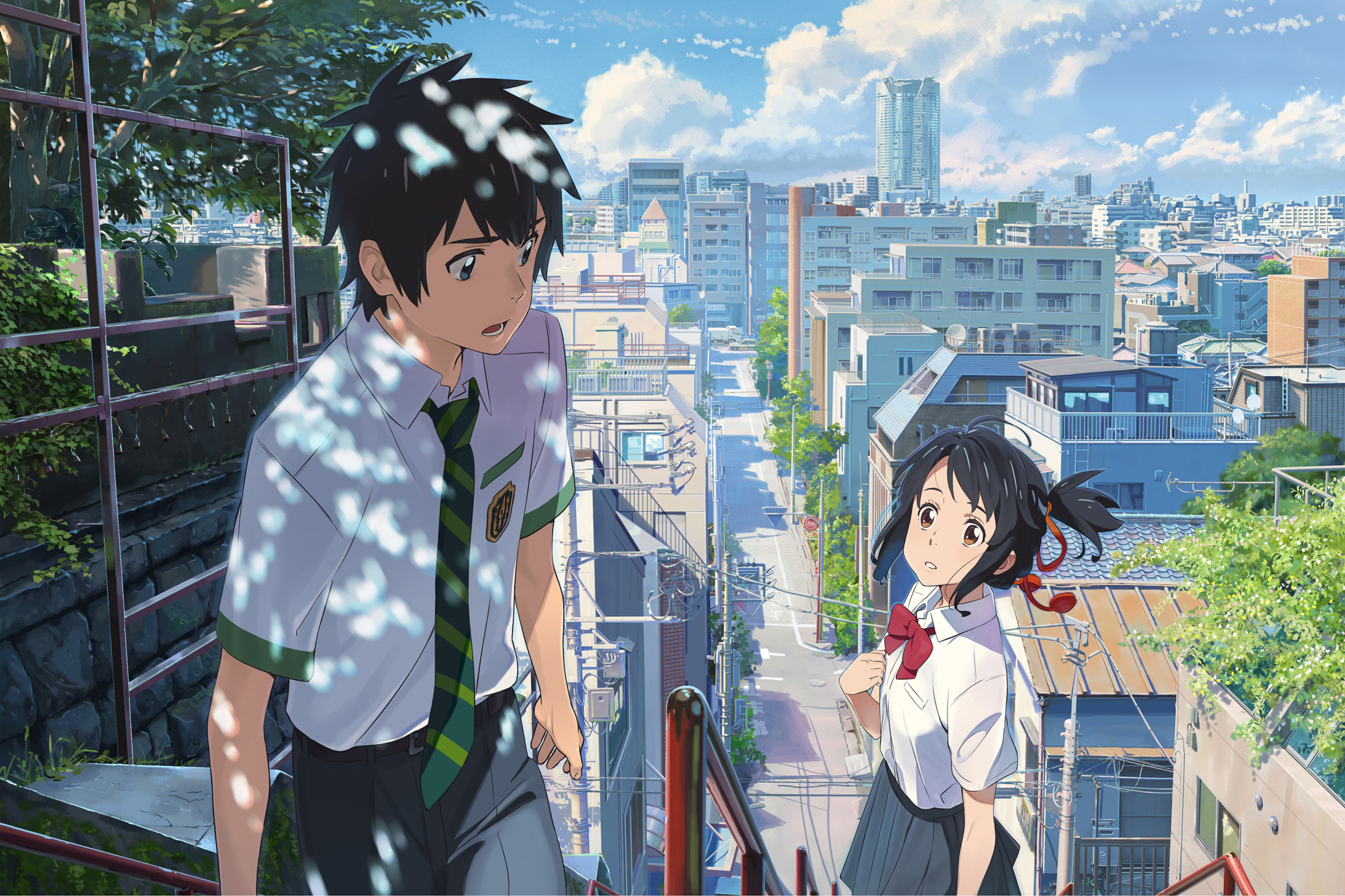 feelings towards the town, her dreams of going someplace bigger where there are cafes and good jobs. Her life as a shrine maiden, the rituals she has to perform, and the way her classmates react to the ancient display of Japanese religion and culture.
 There are many reasons why I walked away. Most don’t have to do with any negative experience that I had. Simply put, I was completely burnt out on anime. At the time new anime had entered a dry period after an extreme high point. I was getting tired of just writing and talking about anime. As I started to feel burned out I started to spend time on other hobbies, such as American cartoons and comics. I didn’t feel like I could write about those things on the site I created. Finally, I wanted more free time because my job took up a lot of time and energy. I wanted to enjoy my hobbies without having to critique them.
 Otaku In Review